The International Trade Blog  International Sales & Marketing
NVOCC vs. Freight Forwarder: Key Differences for Exporters
On: July 27, 2026 | By:  David Noah |
12 min. read
David Noah |
12 min. read
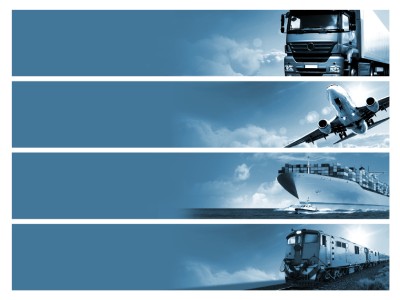 There are many different parties involved in the logistics process—carrier, freight forwarder, NVOCC, 3PL, EMC, ETC, customs broker, etc.—several of which can be involved in a single transaction! Two of the most similar parties are freight forwarders and Non-Vessel Operating Common Carriers (NVOCC).
While most exporters can happily get by without knowing the difference between an NVOCC and a freight forwarder, there are some important distinctions between the two. In this article, I’ll discuss the specific functions of each and how to identify the right partner for your needs.

NVOCC: A Definition
A Non-Vessel Operating Common Carrier (NVOCC) performs the functions of an ocean carrier but does not operate the ships. Instead, an NVOCC buys space from carriers and sells this space to shippers. The NVOCC takes on some of the responsibilities and liabilities of the carrier, including issuing a house bill of lading.
Freight Forwarder: A Definition
Freight forwarders are experts within the supply chain who concentrate on the logistics and physical transportation of cargo. They work with any carrier in the international transportation process who handles moving goods via truck, boat, plane or a combination thereof. Think of them as a travel agent for your products who will not only arrange shipping from various points in the journey but will also help facilitate that transport. They are your conduit with domestic and international carriers.
Key Differences Between NVOCCs and Freight Forwarders
- A company may be licensed as a freight forwarder, an NVOCC or both. Many logistics providers operate in both capacities, but the legal role they play depends on the service being provided and the documents they issue.
- NVOCCs always arrange ocean transportation; freight forwarders may arrange ocean, air or inland transportation up to a specified point in the journey where the importer’s (or buyer’s) agent takes control of the movement of goods based on the Incoterms 2020 rule agreed upon by the seller and the buyer.
- NVOCCs are permitted to add a profit percentage to their rates. Freight forwarders are only allowed to add operational fees.
- An NVOCC is an intermediary between the shipper and the vessel operator and issues their own bills of lading. A freight forwarder is an authorized agent acting on behalf of the shipper. For an additional fee, the freight forwarder will generate the required documents, file electronic export information through the Automated Export System (AES) and provide other services.
- While both ocean freight forwarders and NVOCCs must obtain an Ocean Transportation Intermediary (OTI) license from the Federal Maritime Commission (FMC), the requirements for obtaining one are different for freight forwarders and NVOCCs.
Freight Forwarder vs. NVOCC: At-a-Glance Comparison
| Feature | Freight Forwarder | NVOCC |
|---|---|---|
| Type of Service | Coordinates cargo movement with carriers | Performs functions of ocean carrier but does not operate vessels |
| Bills of Lading and Other Documents | Will generate export documents for an extra cost | Issues own bills of lading |
| Modes of Transport | Ocean, air and inland transportation | Ocean freight only |
| Profit on Freight Charges | Can only add operational fees | Can mark up freight rates for profit |
| Regulatory Authority | Licensed as Ocean Transportation Intermediary (OTI) by FMC | Also licensed as OTI by FMC, with different requirements |
| Ideal For | Exporters seeking end-to-end logistics support | Experienced shippers booking ocean space |
How can I check whether an NVOCC or freight forwarder is properly licensed?
Before hiring an ocean freight forwarder or NVOCC, exporters should verify the provider’s FMC status. The FMC maintains resources for licensed and bonded OTIs, tariff information, OTI license changes and non-compliant NVOCCs. NVOCCs operating in U.S. trades must also publish tariffs that are open for public inspection and show rates, charges, classifications, rules and practices.

Before you choose a provider, confirm:
-
FMC license or registration status
-
Bond/financial responsibility
-
Whether they are acting as agent or carrier
-
Who issues the bill of lading
-
Who files EEI through AES
-
What documentation/compliance tasks remain your responsibility
When Should You Use an NVOCC Instead of a Freight Forwarder?
The right choice depends on how much support you need and what role you want your logistics partner to play.
Choose a freight forwarder if:
You need help planning the shipment, comparing modes, preparing documents, coordinating multiple carriers, handling air/inland/ocean legs, managing routed export complications or filing EEI through AES.
Choose an NVOCC if:
You are primarily booking ocean freight, understand the documentation and compliance requirements, want the NVOCC’s house bill of lading, or are looking for ocean capacity through a provider acting as carrier.
Choose a provider that is both if:
You want broader logistics support but also need the provider to issue its own bill of lading for ocean shipments.
As your export volume grows, it’s worth periodically reviewing the services your logistics partners provide. Ask whether they are acting as your agent, as a carrier, or both; who will issue the bill of lading; who will file through AES; and which compliance responsibilities remain with your company.
No matter which partner you choose, remember that you cannot hand off all responsibility for your export transaction. Your freight forwarder or NVOCC can help, but your company is still responsible for providing accurate shipment information and maintaining proper export compliance procedures.
You can read more about choosing and working with the right logistics partners in these articles:
- Who’s Who in Export Logistics
- 4 Things the Best Freight Forwarders Have in Common
- 4 Steps for Ensuring a Good Relationship with Your Freight Forwarder
- Freight Forwarder vs. 3PL Services: Which Do You Need?
The Bottom Line
Whether you’re working with a freight forwarder or an NVOCC that is part of a freight forwarding business, you can’t recuse yourself from your documentation and compliance responsibilities. Remember: You can outsource responsibility, but you can’t outsource liability.
Whether you do your own AES filing or a forwarder files for you, whether you’re doing a standard export or routed export transaction, you're still responsible and ultimately liable for your shipments. Shipping Solutions export documentation software can help you make sure your paperwork is shipshape in every situation. Get a free demo right here!
Like what you read? Subscribe today to the International Trade Blog to get the latest news and tips for exporters and importers delivered to your inbox.
This article was first published in August 2021 and has been updated to include current information, links and formatting.