On: August 21, 2019     By: David Noah

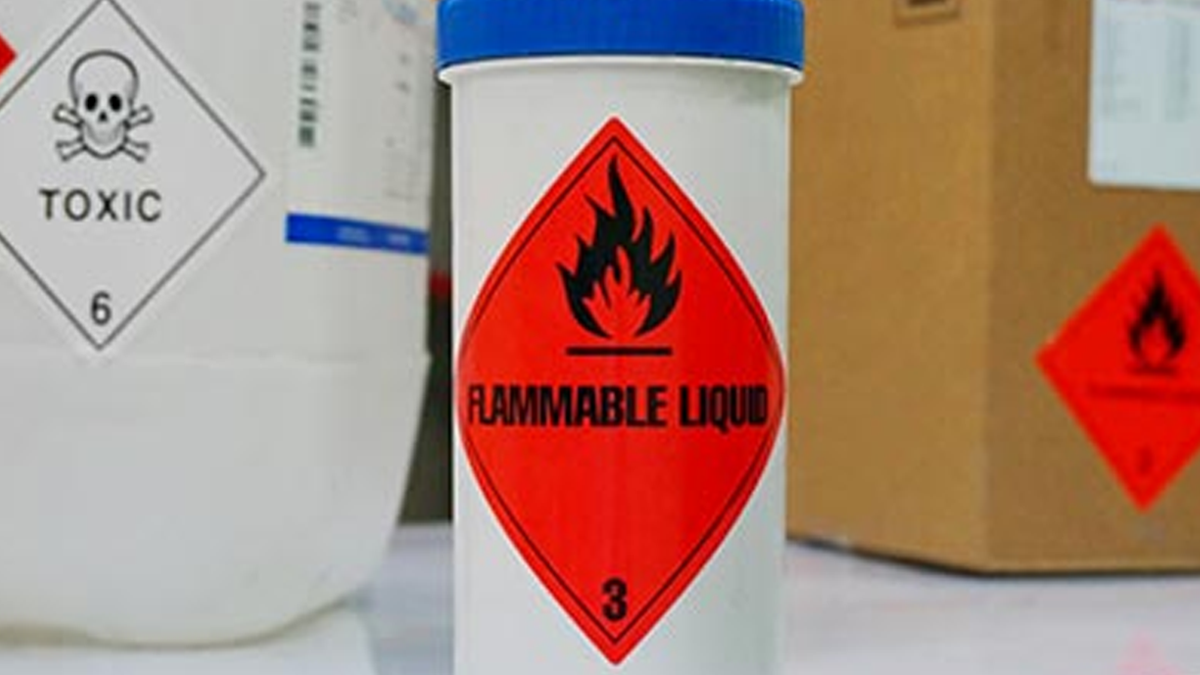
What You Need to Know about Shipping Dangerous Goods

Shipping dangerous goods is a complex, highly regulated process. Failing to do it right can put you and your company at risk—financially and otherwise. Here’s how to protect your business and employees from costly hazmat regulations violations.

On: May 6, 2019     By: David Noah

8 Common Costly Mistakes Shippers Make on the Ocean Bill of Lading

A lot can wrong if you incorrectly fill out an ocean bill of lading. Even seemingly small mistakes can result in delays in delivery and in getting paid, denial of claims, incidental costs resulting from delivery delays, and other penalties. Here are some common mistakes and how to avoid them.

On: March 6, 2019     By: David Noah

6 Things That Can Go Wrong When Creating Export Documents

A lot of things can go wrong when you're creating your export paperwork. Incorrect documents can slow the delivery of your goods and, worse yet, delay payment of those goods. That's why it's important to know the six most common problems that can occur on your export documents and how to avoid them.

On: January 14, 2019     By: Catherine J. Petersen

How to Correct Errors in Your Export Paperwork

Accurate export documents are essential. They help ensure your goods clear customs, arrive at the right destination, and you get paid on time. Unfortunately, export paperwork sometimes gets issued with wrong information. Here's what you need to do if you discover errors in your export paperwork.

On: October 22, 2018     By: Catherine J. Petersen

Export Compliance: Using the Proper Value on a Commercial Invoice

If your export customer asks for a commercial invoice with a low value for customs purposes, make sure you decline the request or you could face severe penalties. While it may seem harmless enough to make a small adjustment, the consequences can be quite large including large monetary fines.

On: September 5, 2018     By: Lisa Nemer

How to Complete a Shipper's Letter of Instruction (video)

Shipping Solutions software makes it easy to create two different types of the Shipper's Letter of Instruction: (1) an SLI that serves as a cover letter to your freight forwarder, and (2) an SLI that provides the required electronic export information to allow a 3rd party to file through AESDirect.

On: August 27, 2018     By: Catherine J. Petersen

Certificate of Origin Requirements for Exports

Some certificates of origin like the USMCA or CAFTA COO are voluntarily and should only be used when appropriate under the terms of a free trade agreement. Generic COOs, on the other hand, may be required for your exports in order for goods to clear customs in the destination country.

email-w

Subscribe to the Newsletter!

Be among the first to know every time a new article has been posted. It is absolutely free!

email

Subscribe to the Newsletter!

Join the 33,143 other exporters and importers who get the latest news, tips and insights from international trade professionals.